Utilizing machine learning technology to build structure-property relationship models for precise materials performance prediction and inverse design
Liangzhi Molecular Technology deeply integrates advanced machine learning algorithms with materials science to provide comprehensive materials design solutions
Examine the quantity, quality, and relevance of customer's existing data to ensure data completeness and reliability, laying a solid foundation for model training.
Extract and construct features useful for model prediction from raw data, quantify the contribution of each feature, and enhance model accuracy and interpretability.
Select appropriate algorithms based on problem types (classification, regression, clustering, prediction, etc.). Customize machine learning large models for customers' specific business scenarios.
Train models using customers' business data and continuously optimize large models through hyperparameter tuning, cross-validation, and other techniques to ensure optimal performance.
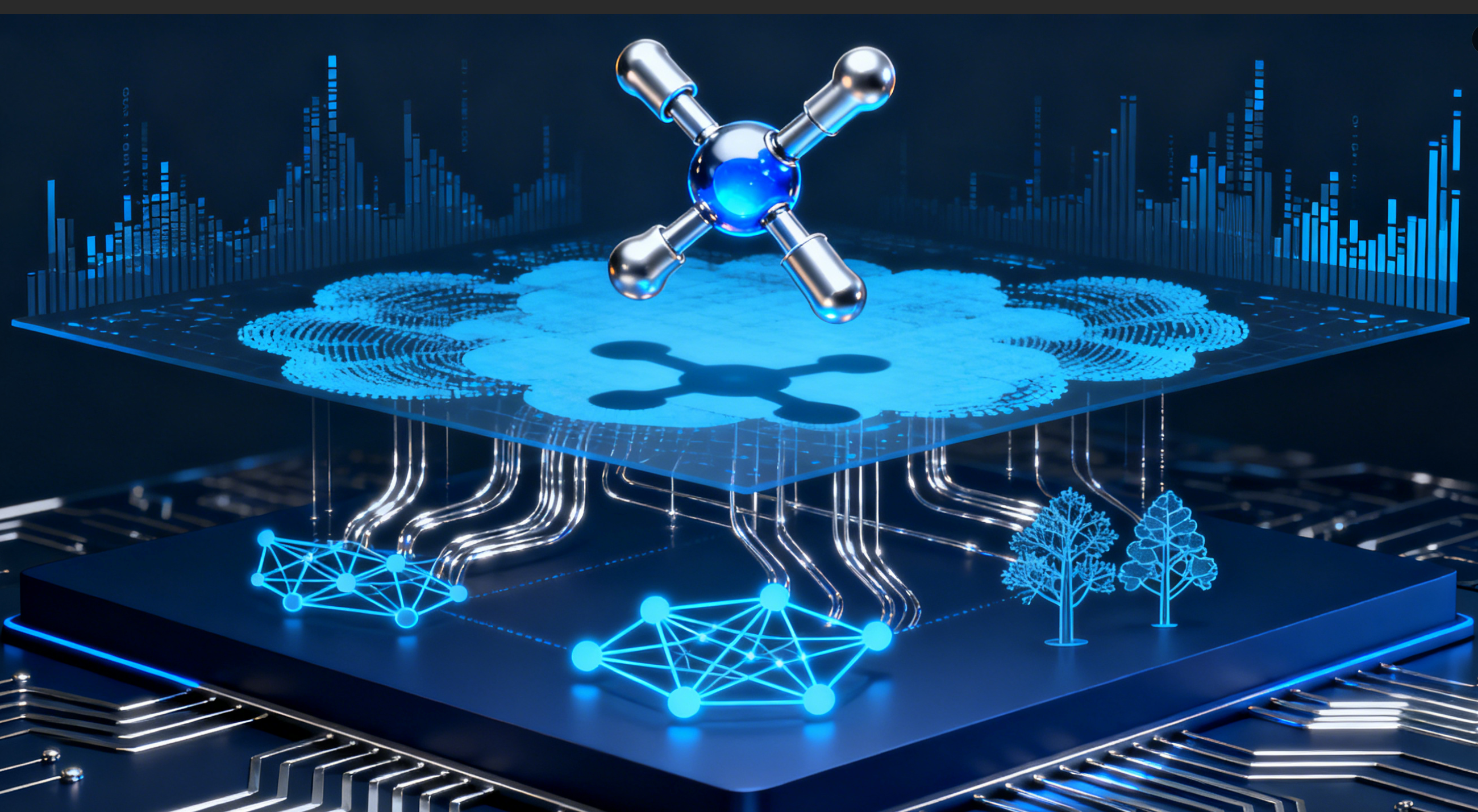
Fusion of quantum computing and machine learning frontier technologies, bringing revolutionary breakthroughs to materials science
Through our machine learning technology, you can achieve two core functions: forward prediction and inverse design
Predict specific structural material properties based on input structure and physical-chemical parameters, helping you quickly screen potential high-performance materials.
Reverse design material structures and physical-chemical characteristics based on desired material properties. For magnetic materials, you provide the required material properties, and our large model provides possible structures and specific physical-chemical parameters.
Obtain the types of factors affecting material properties and their contribution degrees, providing you with direction and basis for material optimization.
Standardized processes ensure we can provide you with high-quality, reliable machine learning solutions
Deeply understand customer needs, clarify materials design goals and performance indicators
Collect, organize and preprocess materials data to ensure data quality
Select appropriate algorithms, build and train machine learning models
Model deployment and application, providing decision support for materials design
The following diagram illustrates the complete workflow of our machine learning technology from molecular data to material performance prediction
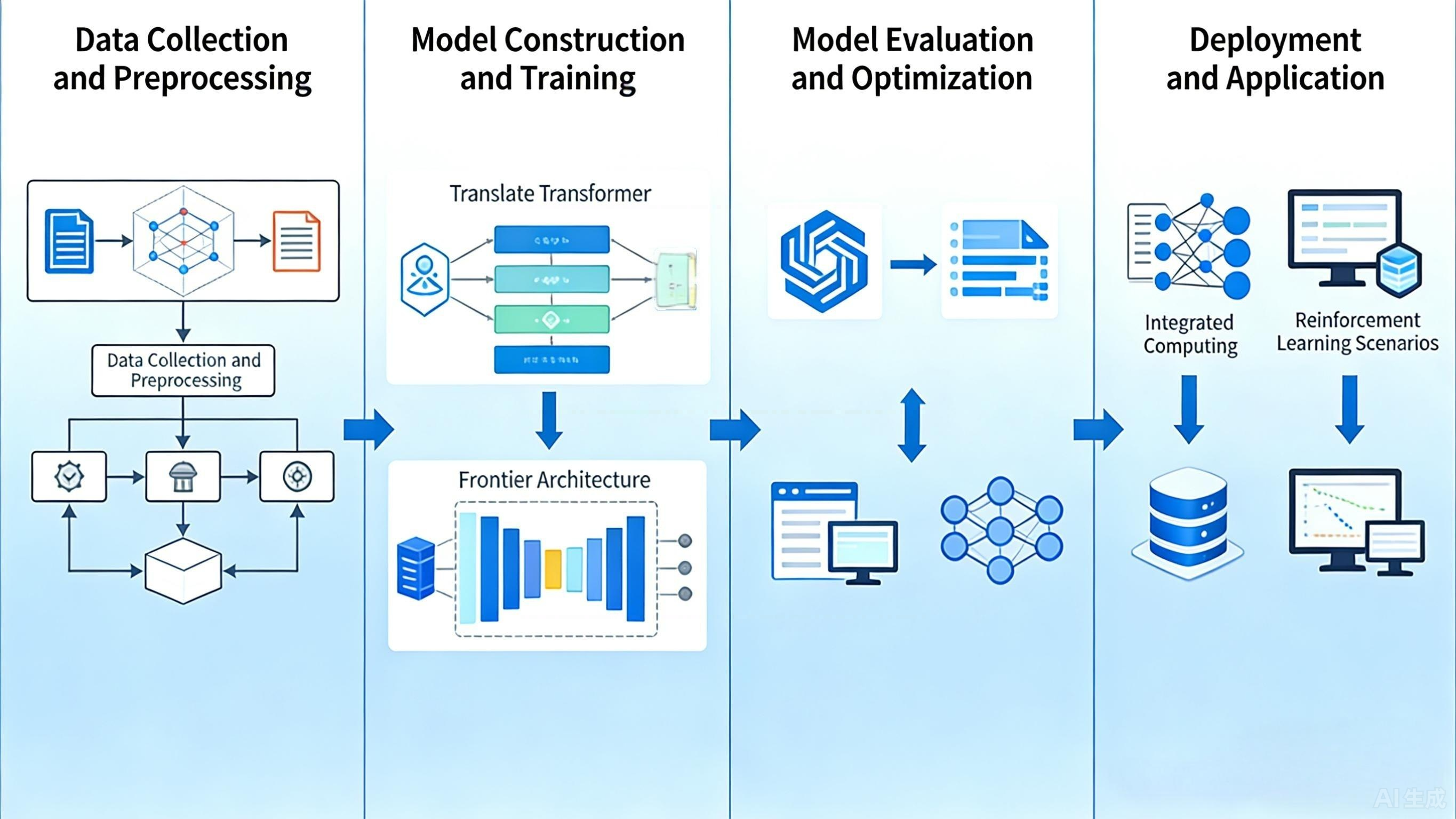
Machine learning assisted materials design workflow: data collection, model training, and prediction application
Our machine learning technology has achieved significant results in multiple materials research and development fields
Predicting ion transport properties of polymer membranes based on machine learning models, screening optimal structures from 1000+ candidate materials, reducing R&D cycle by 60%.
Reverse designing CO₂ capture materials with high selectivity and adsorption capacity through deep learning models, improving adsorption performance by 40%.
Building semiconductor material bandgap prediction models using transfer learning technology, with accuracy above 95%, providing guidance for new semiconductor materials research.